























AI terms change fast. Here’s a simple ladder, from the tools most people use today to the ideas researchers are working on next.
1. Generative AI: AI that creates
生成式 AI produces new content: text, images, audio, video and code. Large language models and image models learn patterns from huge amounts of data, then generate new material in response to a prompt. It’s brilliant at drafting, summarising, brainstorming and editing, but it only responds; it doesn’t take action on its own. (How generative AI works.)
2. Agentic AI: AI that acts
智能体 AI wraps a model in a loop of planning, tool use and self-checking, so it can carry out a task from start to finish, such as researching a topic, fixing a bug or booking a meeting. (agentic AI 是什么?.)
3. Multi-agent systems: teams of AIs
Instead of one agent doing everything, multi-agent systems split work between specialised agents: a planner, a researcher, a coder, a reviewer. They pass work between each other, much like a team. Open protocols such as MCP (for tools) and A2A (for agent-to-agent communication) are making these set-ups easier to build.
4. World models: AI that understands how things behave
Language models learn from text. World models learn how environments change over time: what happens when you push, drop or move something. Research labs are building models that can generate interactive 3D worlds, which are useful for training robots and agents safely in simulation before they act in reality.
5. Embodied AI: AI with a body
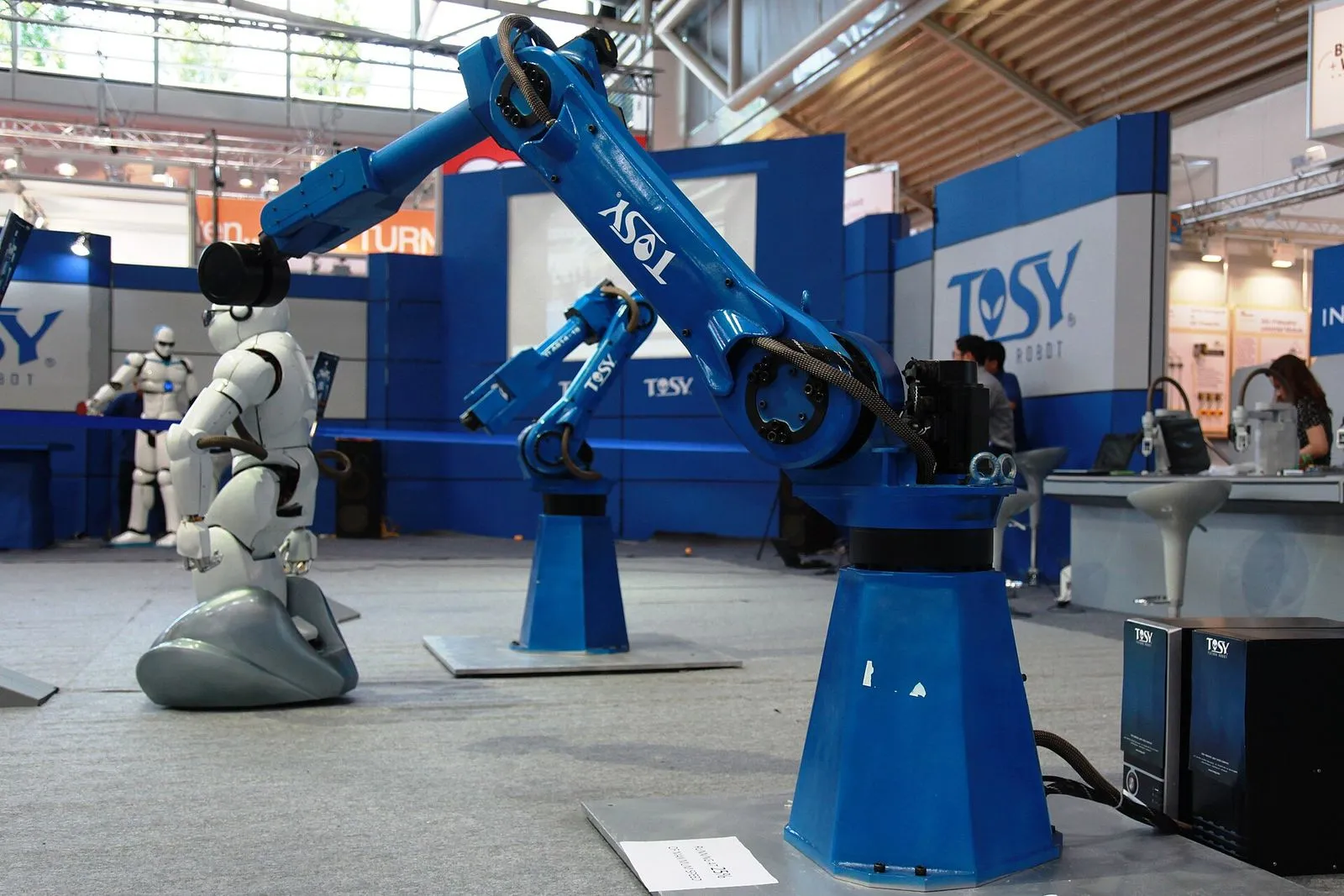
Embodied AI puts these models into robots. Foundation models for robotics aim to let one model control many kinds of robots and learn new skills from demonstrations, rather than being hand-programmed for each task. Humanoid and warehouse robots are already in pilot use in some factories and logistics centres.
6. AGI: the open question
Artificial general intelligence is AI that matches people across nearly any intellectual task. There’s no agreed definition or timeline, and experts disagree widely. What’s clear is that each step above makes AI more capable and more autonomous, so safety, testing and human oversight matter more with every step.
What it means for you
- Use generative AI to create and edit faster.
- Try agents repetitive multi-step tasks, with guardrails. 年
- Keep an eye on robots and world models: they’ll shape gadgets, homes and jobs over the coming decade.
Browse our AI tools directory to find tools at each level.
常见问题
Is agentic AI the same as AGI?
No. Agentic AI describes systems that can pursue goals using tools. AGI (artificial general intelligence) usually means AI that can match people across almost any intellectual task. Today's agents are capable but still narrow and need supervision.